Welcome to
Training delivered locally in Hull & East Yorkshire and Nationwide
Neurodiversity training isn’t just about awareness — it’s about creating workplaces where everyone has the opportunity to contribute, succeed, and thrive.
01
Improved inclusion and belonging — helping all employees feel seen, understood, and respected
02
Greater productivity — enabling staff to work in ways that play to their strengths
03
Better recruitment and retention — reducing turnover and increasing employee loyalty
04
Enhanced leadership confidence — supporting managers to lead diverse teams effectively
05
Legal and ethical compliance — aligning organisational practices with the Equality Act 2010 and inclusive employment standards
06
Stronger organisational reputation — demonstrating a commitment to fairness, equality, and progressive workplace culture
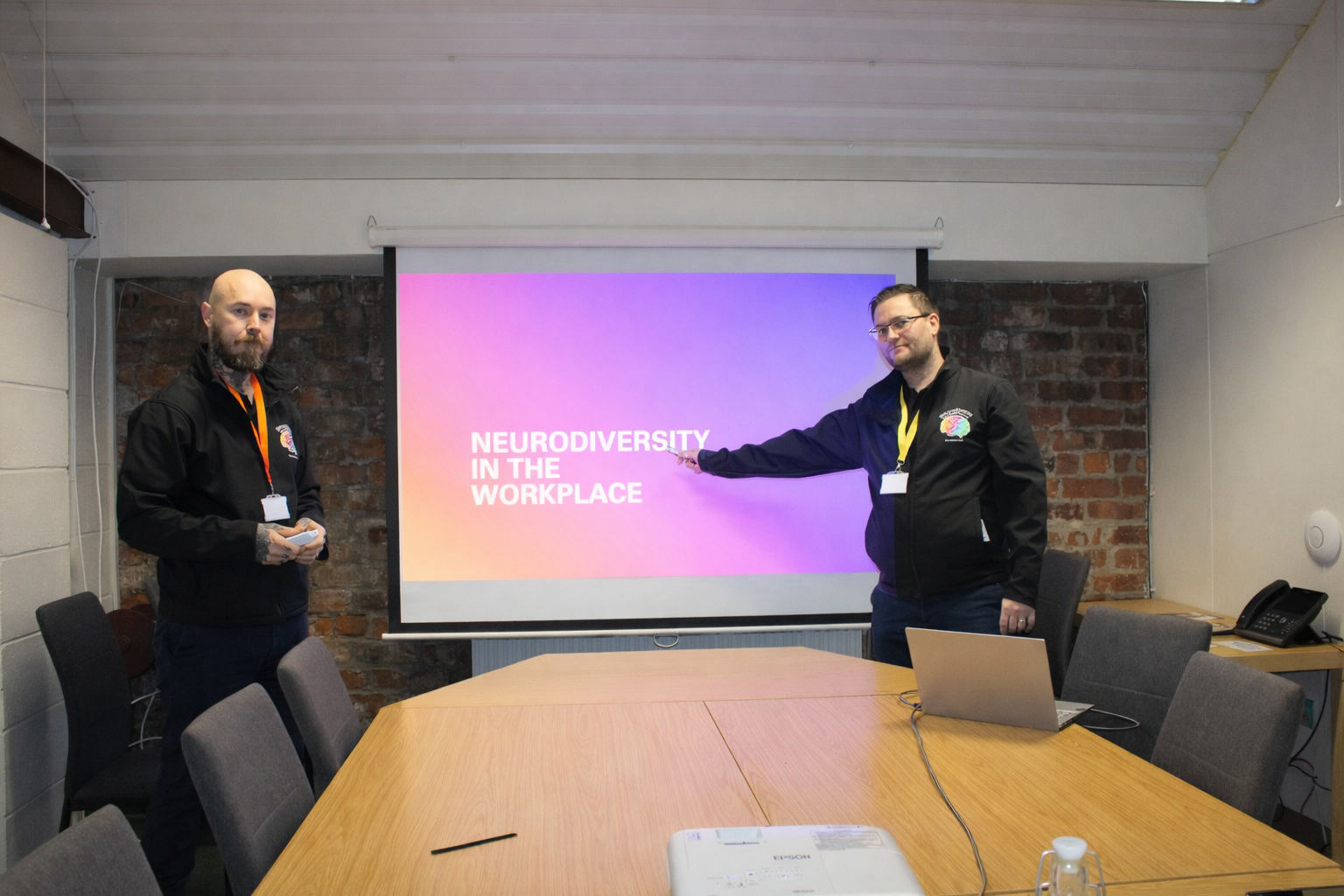
Neurodiversity is the idea that human brains naturally work in different ways. Just as people vary in culture, personality, and physical traits, they also differ in how they think, learn, communicate, and experience the world. These differences are a normal and valuable part of human diversity.
The term is often used to describe people whose brains work differently from what is considered “neurotypical,” including autistic people and those with ADHD, dyslexia, dyspraxia, dyscalculia, or Tourette syndrome. Neurodiversity does not view these differences as flaws or conditions that need to be fixed, but as part of a person’s identity.
Understanding neurodiversity helps shift the focus from “changing the individual” to creating inclusive and accessible environments. By recognising and valuing different ways of thinking, we can build a society where everyone has the opportunity to thrive.
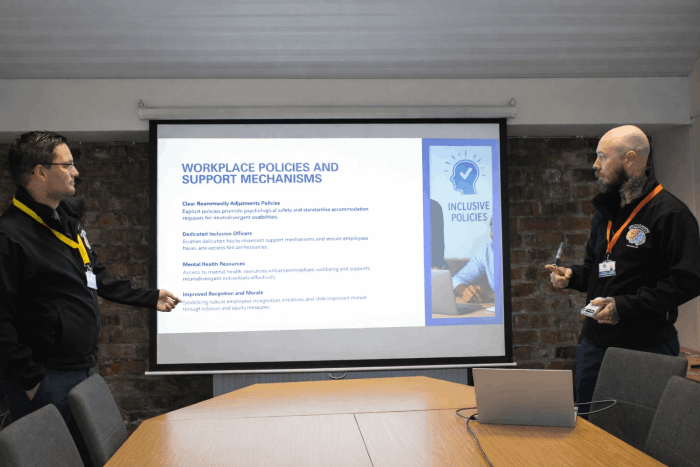
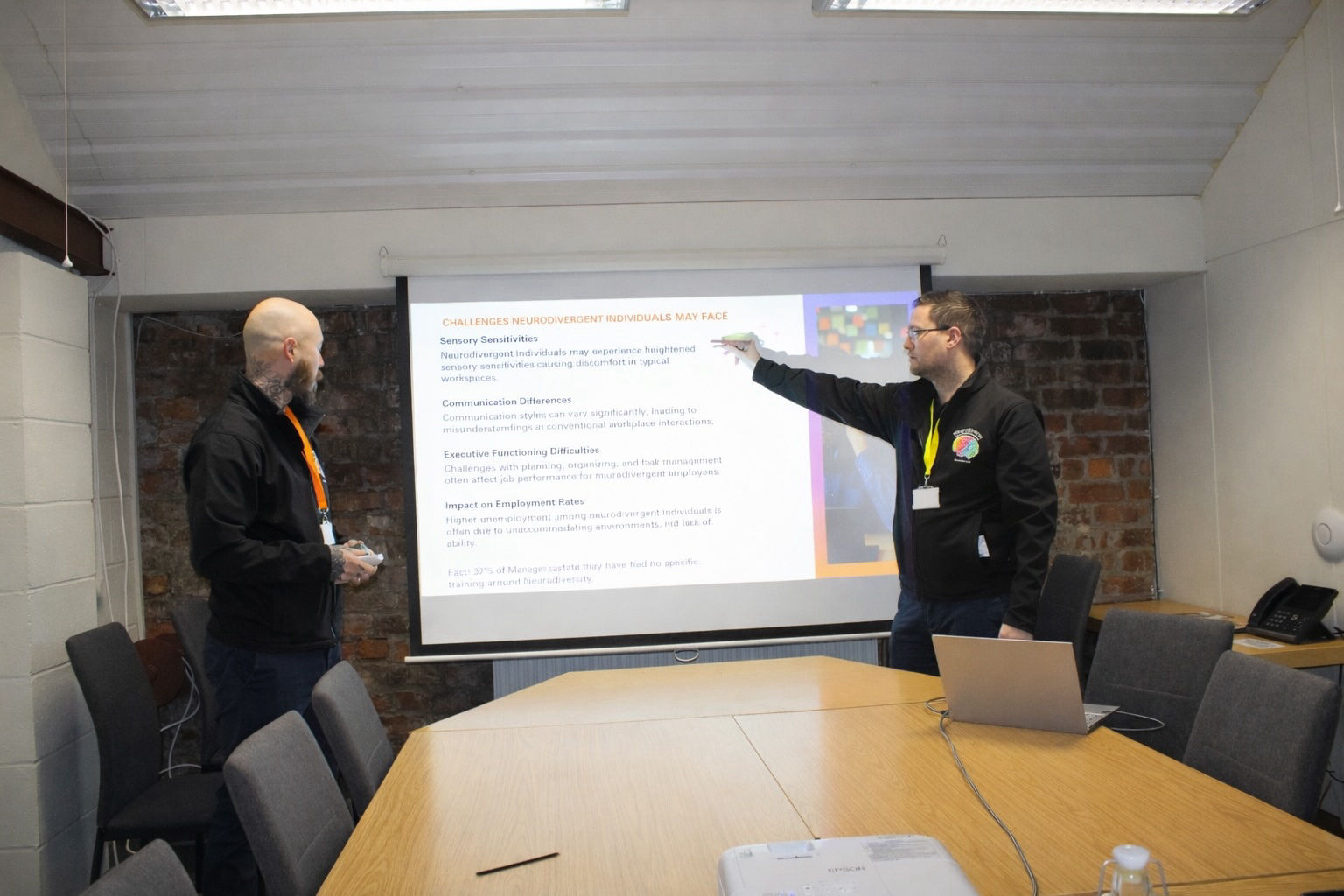
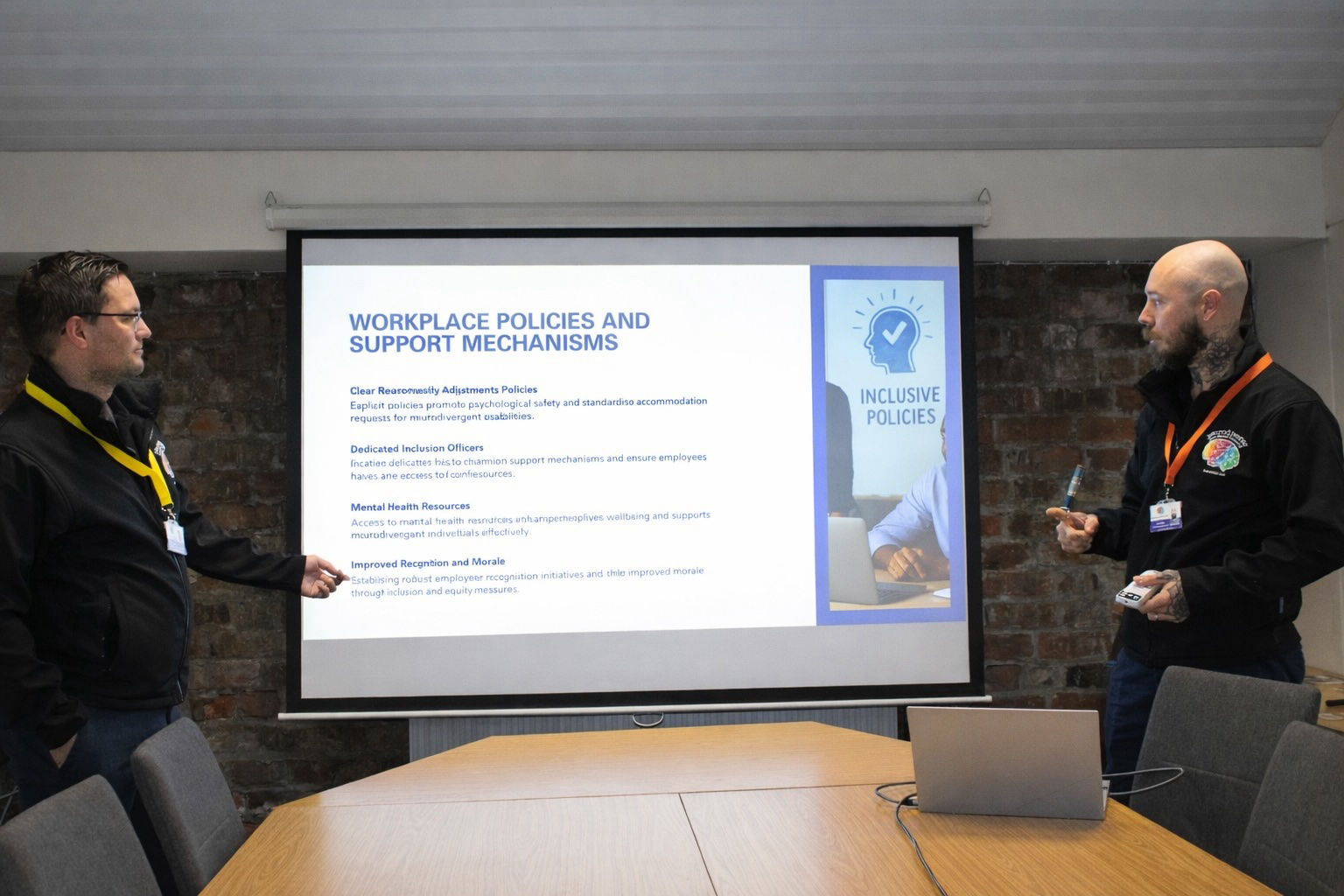
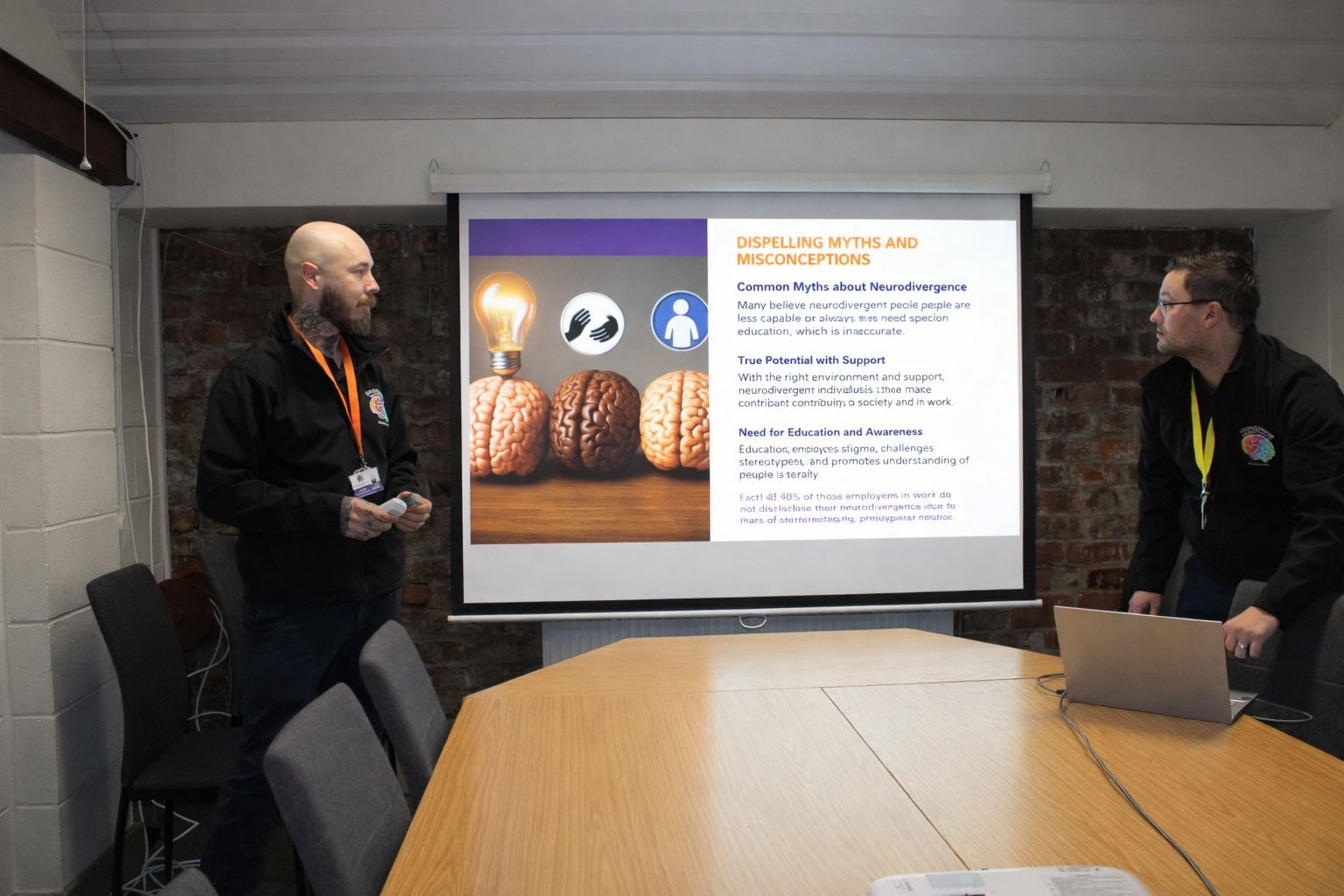
Neurodiversity training helps businesses better understand how different people think, learn, and work. By increasing awareness and practical knowledge, organisations are better equipped to support neurodivergent employees, reduce misunderstandings, and create more inclusive and productive working environments.
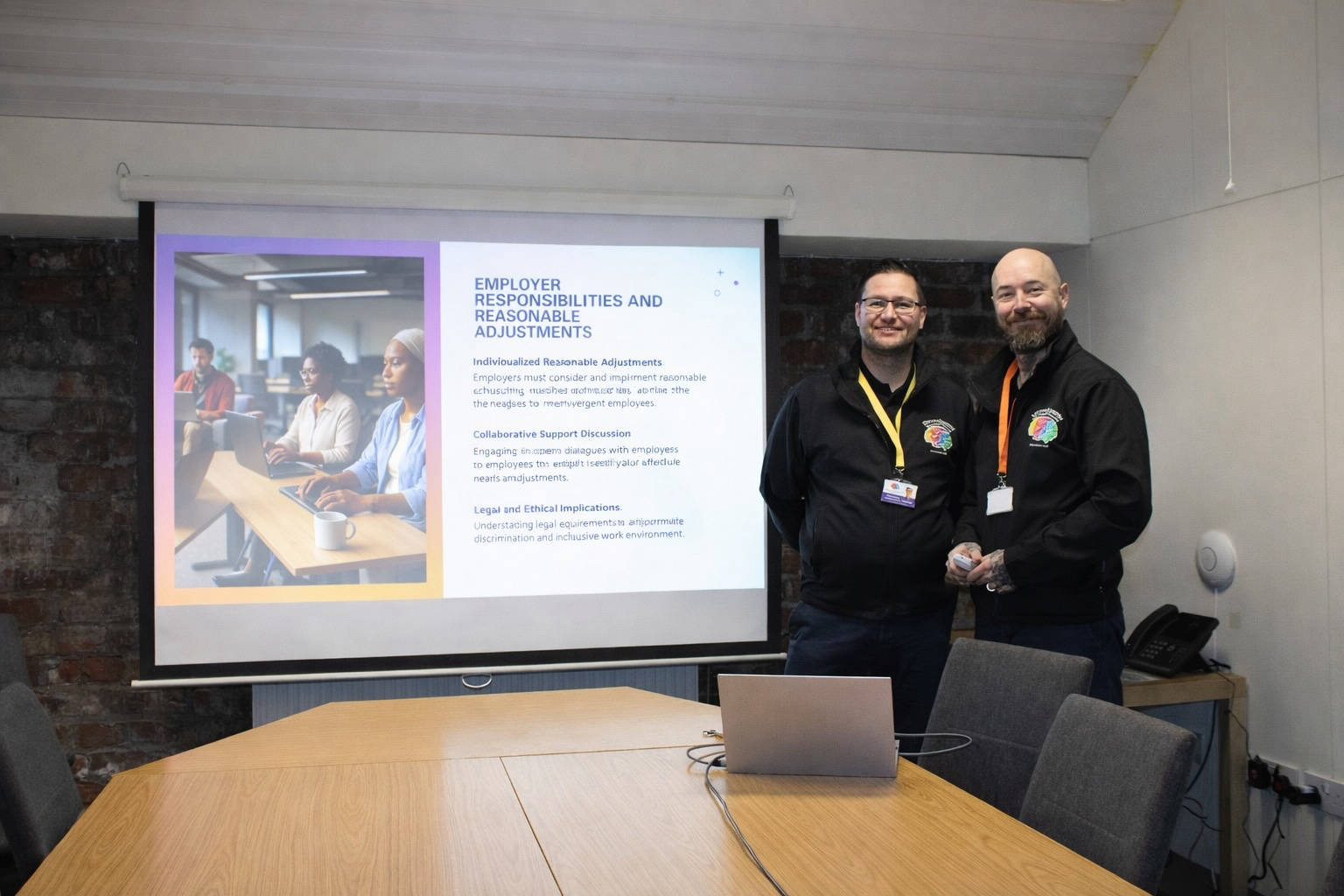
In the UK, employers have legal obligations under the Equality Act 2010 to make reasonable adjustments and prevent discrimination against disabled employees — including many neurodivergent individuals. Neurodiversity training supports compliance with these duties by helping organisations recognise where adjustments may be needed and how to implement them effectively.
Businesses that invest in neurodiversity training often see improvements in staff engagement, retention, and wellbeing. When employees feel understood and supported, they are more likely to perform at their best and remain with an organisation long-term. Training also helps managers develop the confidence to have constructive conversations, make meaningful adjustments, and respond appropriately to individual needs.
Neurodivergent colleagues often bring valuable strengths such as creativity, attention to detail, and innovative problem-solving. Neurodiversity training enables businesses to recognise and harness these strengths while removing unnecessary barriers that limit potential.
[ Contact ]